Pain During Sex After Pregnancy: Could Your Pelvic Floor Be Too Tight?
By Kathryn Chang
, Women’s Health Physiotherapist at Plan V
Is pain during sex after pregnancy holding you back? Kegels may not help if your pelvic floor is too tight. Learn how pelvic physiotherapy and relaxation techniques can relieve post-partum discomfort.
Pregnancy and childbirth bring many changes to a woman’s body. While some changes are temporary, others can continue into the postpartum period.
One concern that women may experience after pregnancy is pain during sexual intercourse.
One of our postnatal patients came to us after her second pregnancy because she was experiencing pain during intercourse. During her assessment, we found that her pelvic floor muscles were overactive and hypertonic, meaning the muscles were holding more tension than they should and had difficulty fully relaxing.
This is one situation where pelvic health physiotherapy may be helpful.
Why can sex become painful after pregnancy?
Pain during sexual intercourse, also known as dyspareunia, can have many possible causes.
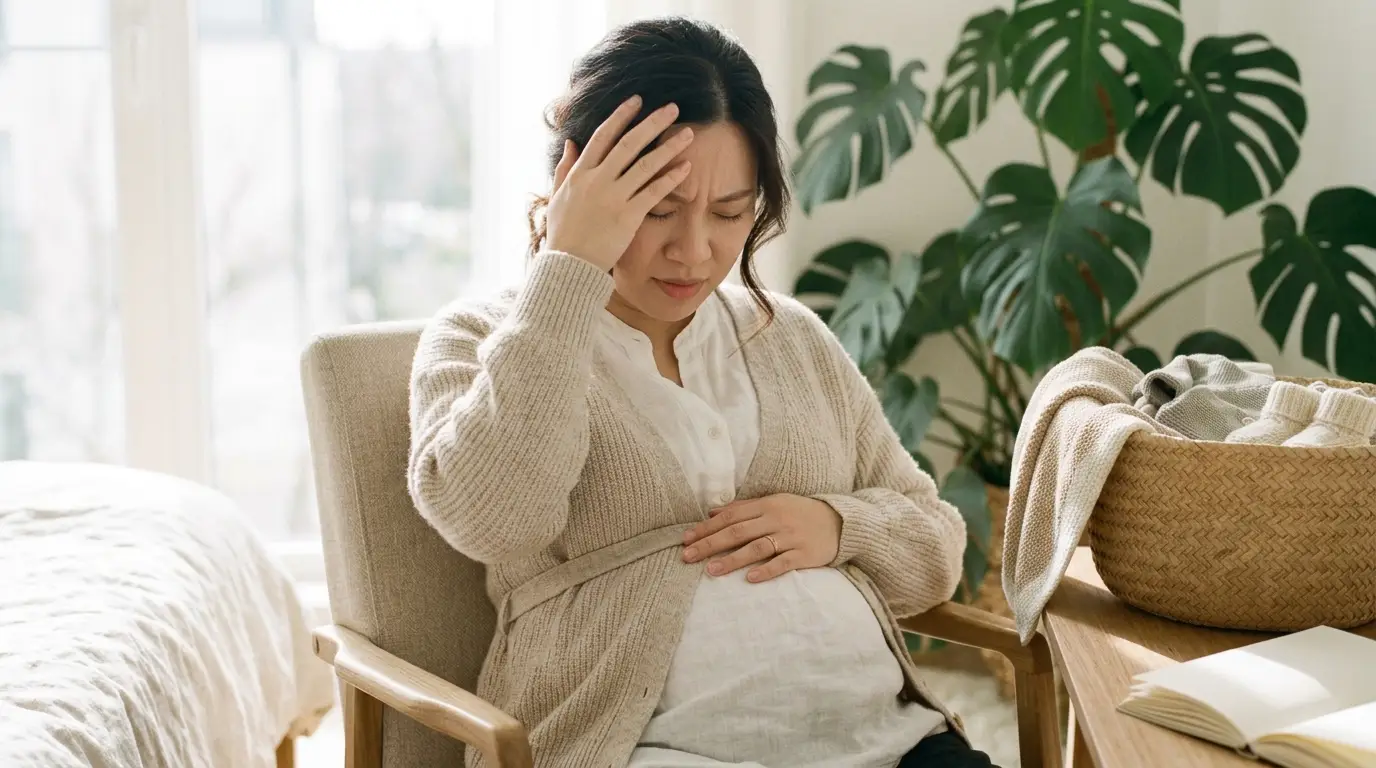
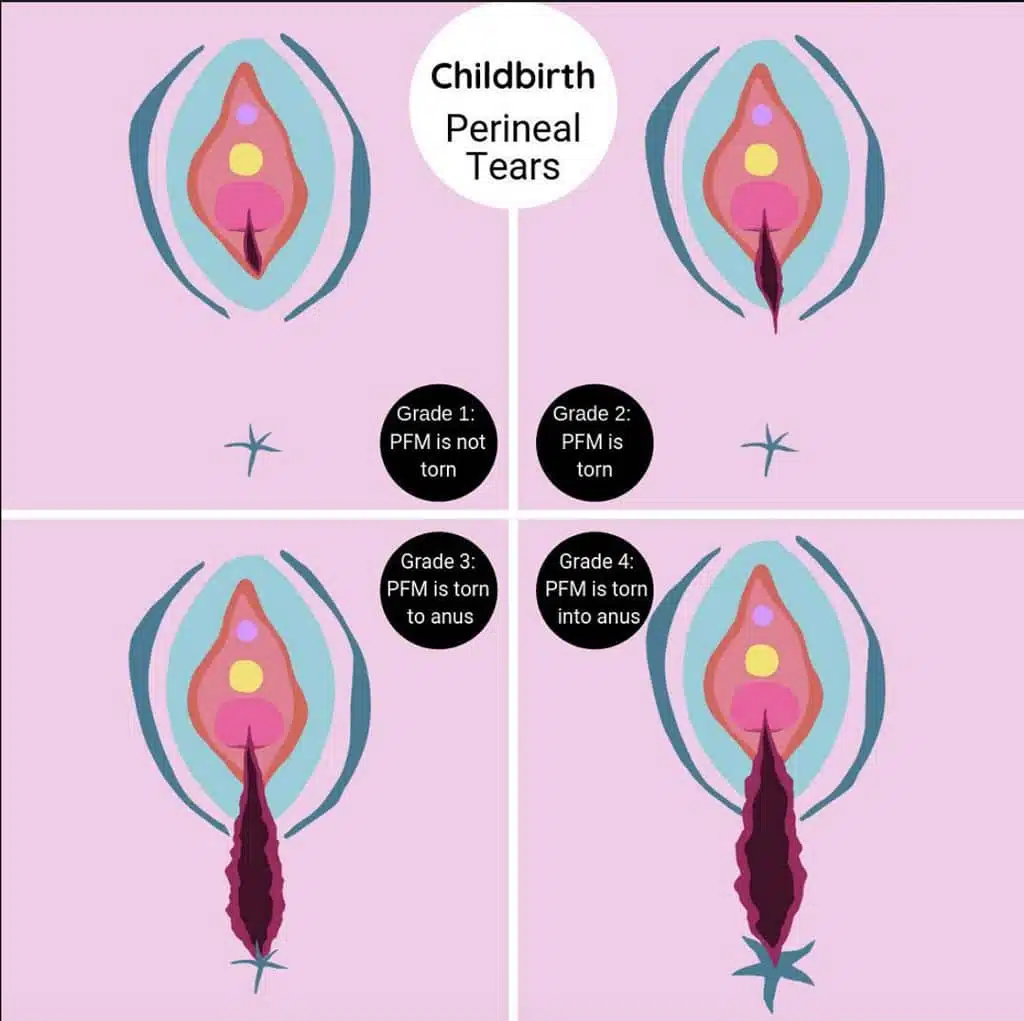
After pregnancy and childbirth, changes to the pelvic floor muscles, vaginal tissues and surrounding structures may contribute to discomfort. For some women, factors such as perineal trauma (Figure 1), scar tissue, vaginal dryness, hormonal changes or pelvic floor muscle tension may play a role.
However, painful sex should not automatically be assumed to be caused by the pelvic floor. There can be other medical causes, so an appropriate assessment is important.
What does a hypertonic pelvic floor mean?
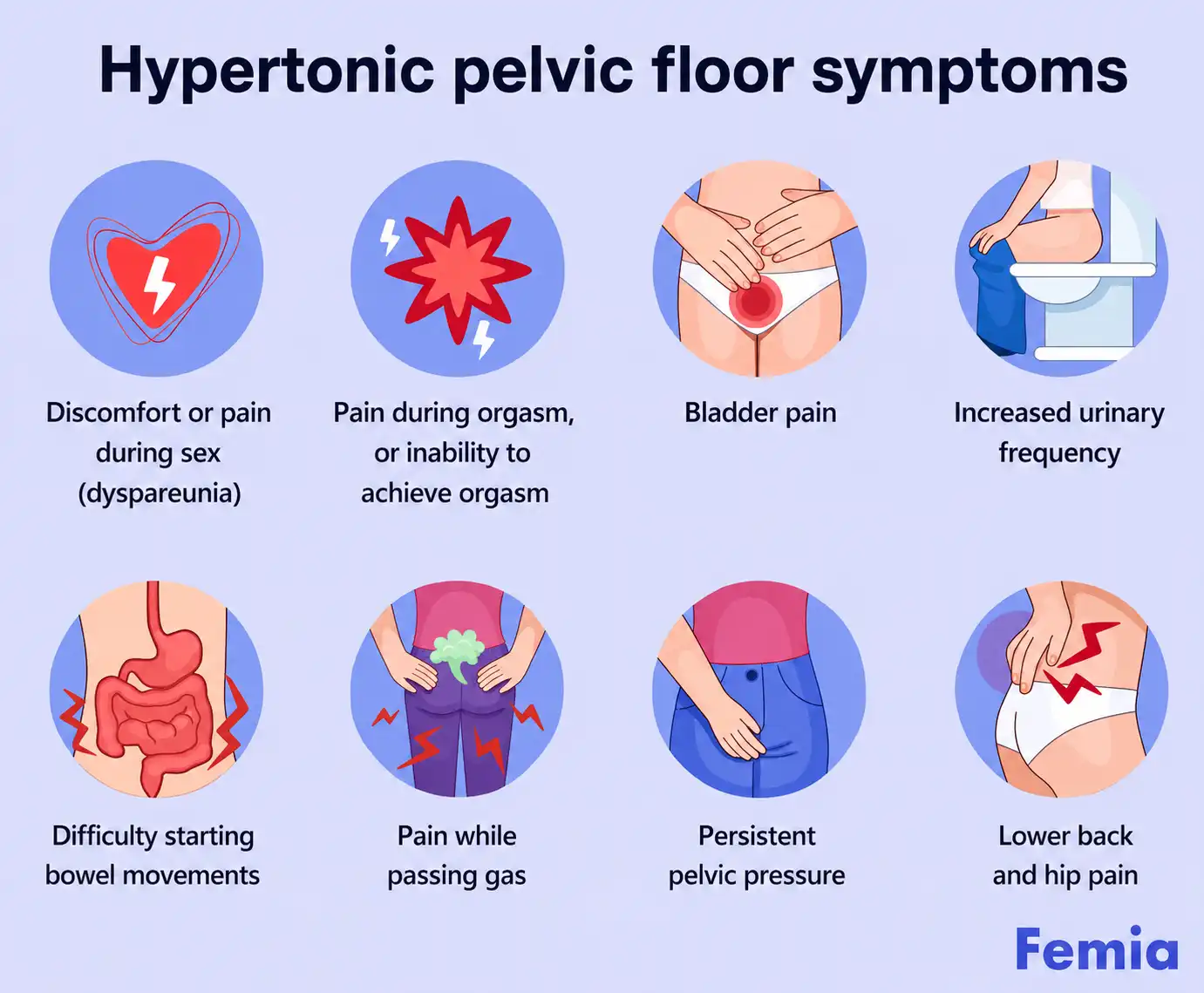
Figure 2: Hypertonic Pelvic Floor
When people hear “pelvic floor,” they often immediately think about strengthening.
But the pelvic floor has two important abilities: It needs to contract, and it also needs to relax.
A hypertonic or overactive pelvic floor refers to muscles that remain tense or have difficulty relaxing appropriately.
Imagine constantly keeping your shoulders slightly shrugged throughout the day. Eventually, the muscles may feel tight, tired or uncomfortable.
The pelvic floor can behave similarly.
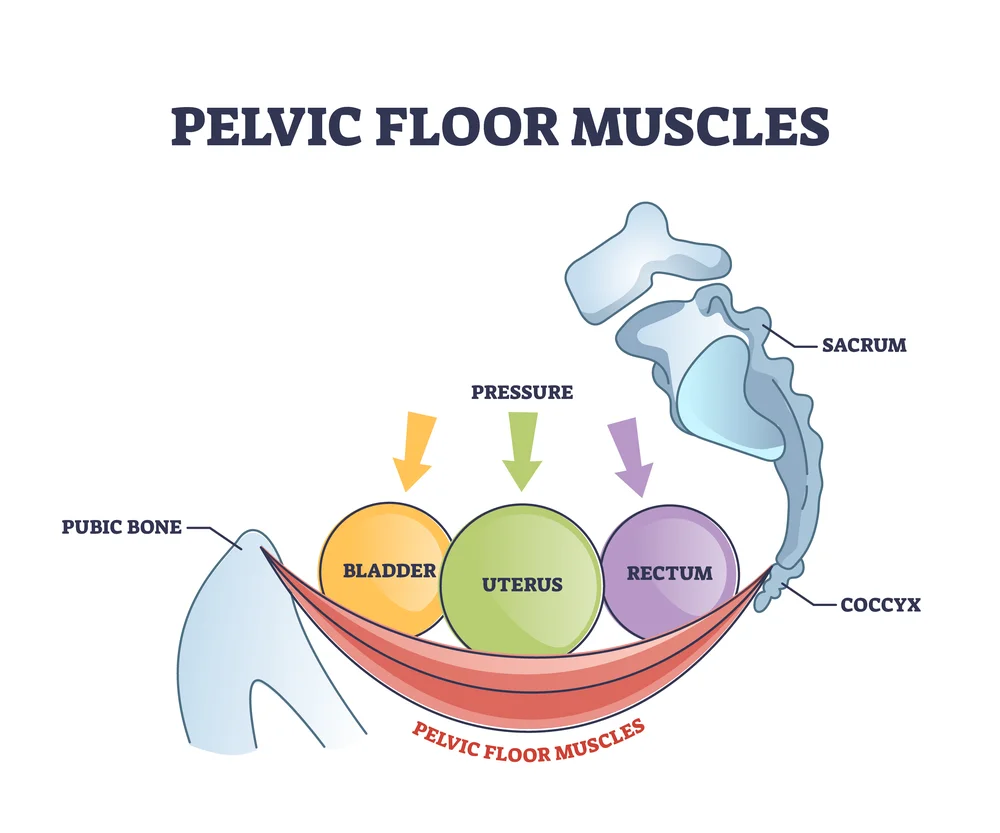
If the muscles remain tense (Figure 3), certain activities—including vaginal penetration—may become uncomfortable or painful.
Figure 3: Tight Pelvic Muscle
This is why pelvic floor treatment is not always about doing more Kegels.
For someone with an overactive pelvic floor, the first priority may instead be improving the ability to relax and coordinate the muscles.
How can pelvic health physiotherapy help?
The first step is understanding what is happening. A pelvic health physiotherapist may ask about:
Where the pain occurs
When the pain starts
Whether the pain occurs with initial or deeper penetration
Pregnancy and childbirth history
Previous pelvic pain
Bladder and bowel symptoms
Daily activities
Exercise
Other symptoms associated with the pain
With the patient’s consent, the physiotherapist may also assess the pelvic floor muscles.
The assessment can help determine whether the muscles are able to contract, relax and coordinate properly.
Treatment may focus on relaxation—not strengthening This is an important difference.
Since our patient’s pelvic floor muscles were found to be overactive and tense, her rehabilitation focused on helping the muscles relax and reduce unnecessary tension, rather than simply strengthening them.
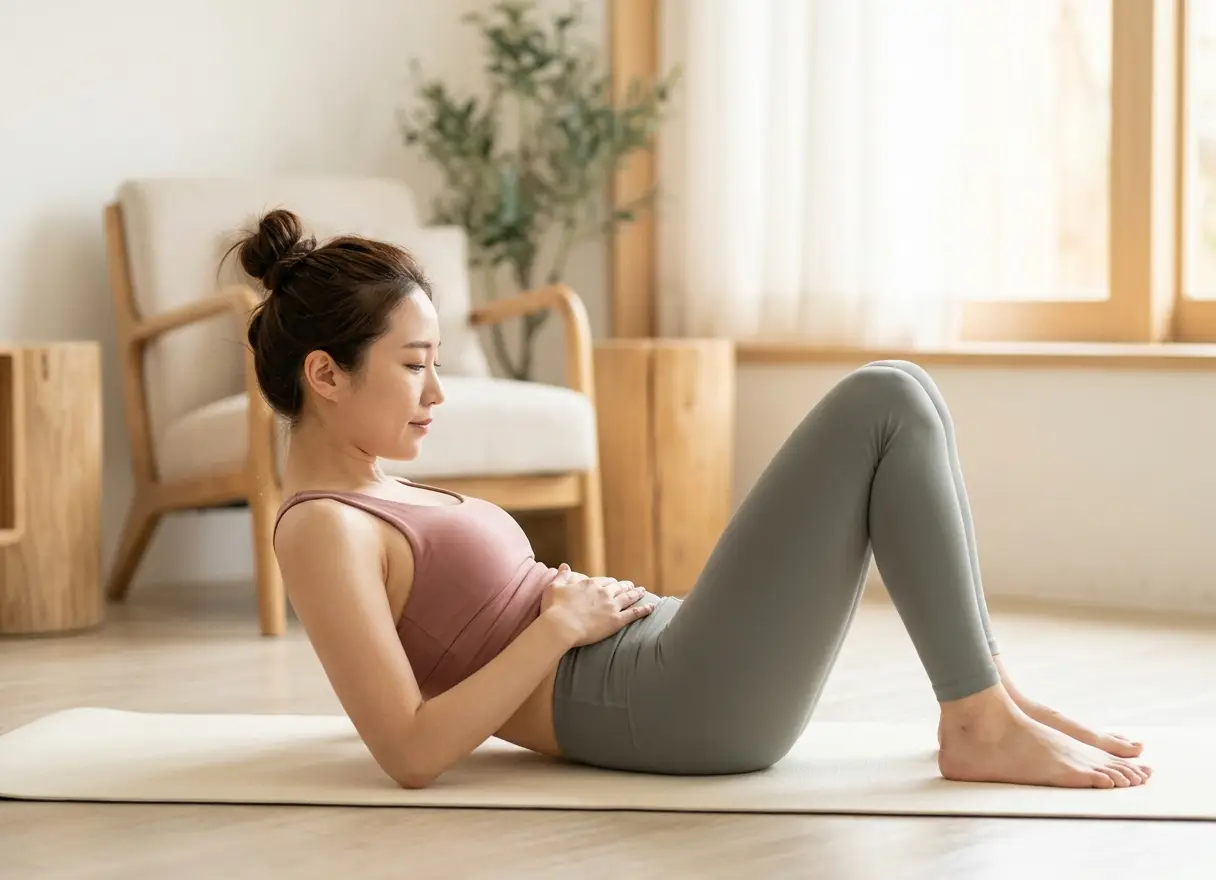
One technique that may be introduced is the reverse Kegel (Figure 4).
Figure 4: Reverse Kegel Exercise
Unlike a traditional Kegel, where you gently contract the pelvic floor, a reverse Kegel focuses on recognising and releasing pelvic floor tension. The aim is to allow the pelvic floor to gently lengthen and relax.
It should not feel like forcefully pushing or straining down.
Instead, the patient learns to combine gentle pelvic floor relaxation with slow diaphragmatic breathing, allowing the pelvic floor to soften as she breathes.
This can help improve awareness of the difference between: “Tightening my pelvic floor” and “Letting my pelvic floor relax.”
Depending on the individual’s needs, treatment may also include:
Diaphragmatic breathing
Pelvic floor relaxation
Reverse Kegel exercises
Awareness of unnecessary pelvic floor tension
Gentle pelvic mobility
Relaxation strategies
Gradual movement and exercise
Education about pelvic floor function
The specific exercises and treatment approach should always be based on the individual’s assessment and symptoms.
What does the research say about pelvic floor rehabilitation for painful sex?
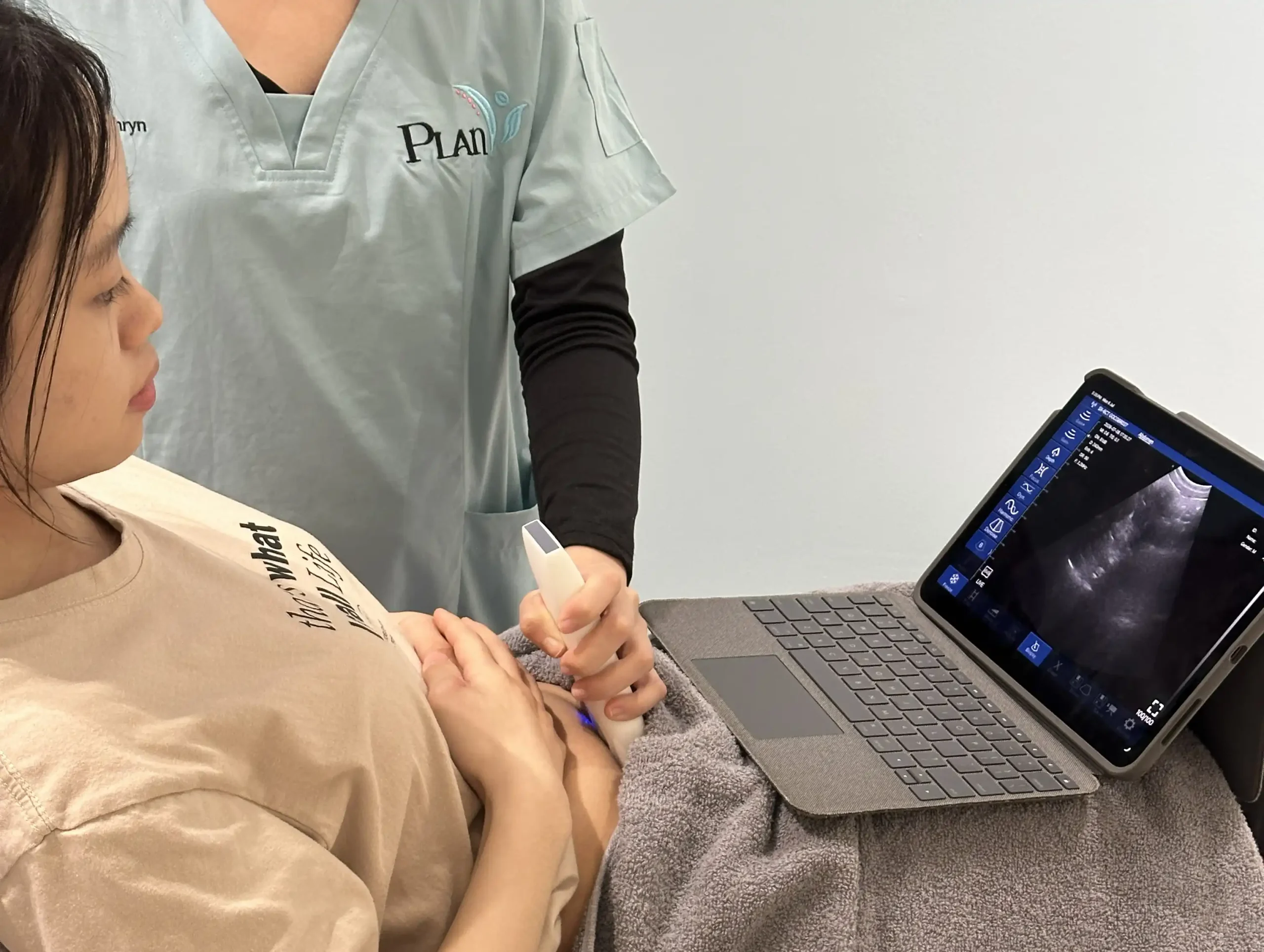
Research supports pelvic floor rehabilitation(Figure 5) as one possible component of treatment for dyspareunia.
Figure 5: Pelvic Floor Rehabilitation
A randomised controlled trial involving women with dyspareunia found that a pelvic floor rehabilitation programme produced improvements in pain and sexual function compared with a control group. The programme included several physiotherapy components, illustrating that treatment can be multimodal rather than relying on one exercise alone.
A 2023 systematic review and meta-analysis also found evidence that physical therapy interventions can improve pain and quality-of-life outcomes in women with dyspareunia, although the studies used different treatment approaches and the evidence should be interpreted in the context of that variation.
This supports an important clinical principle: There is no single pelvic floor exercise that is right for every woman.
Someone with urinary leakage may need strengthening and coordination.
Someone with an overactive pelvic floor and painful sex may need more emphasis on relaxation, mobility and reducing muscle tension.
Why is breathing important?
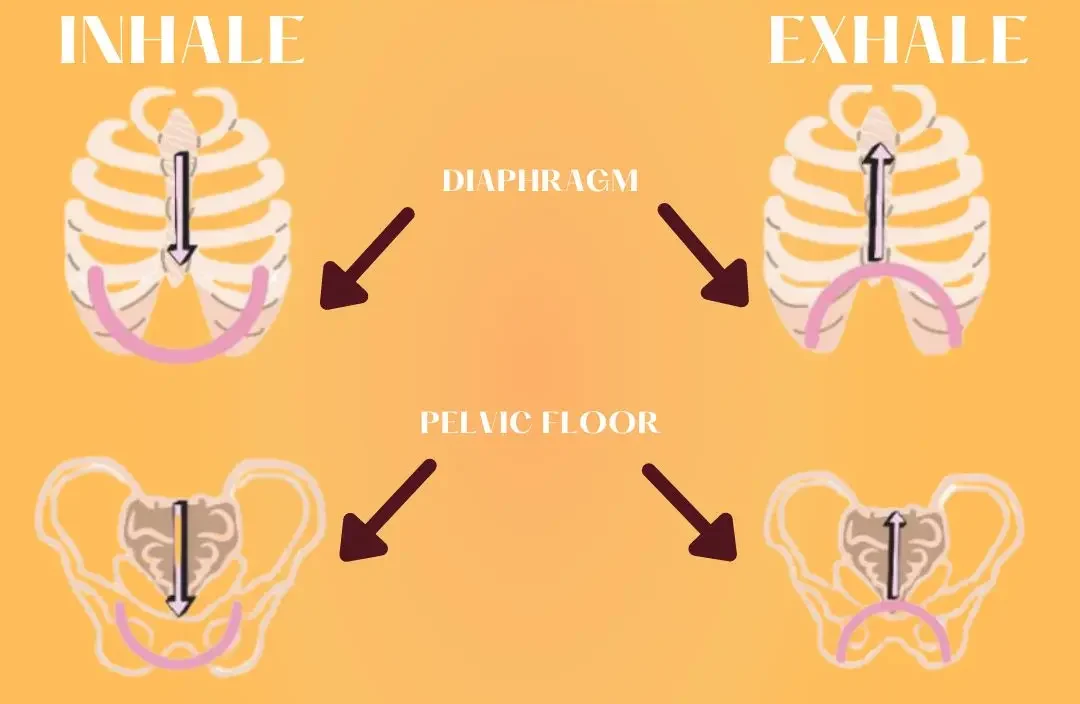
The diaphragm and pelvic floor naturally coordinate(Figure 6) with each other during breathing.
Figure 6: Diaphragmatic Breathing
Learning to breathe slowly and comfortably can therefore be useful when someone is learning to reduce pelvic floor tension.
For a patient with an overactive pelvic floor, the goal is not to constantly hold or squeeze the pelvic floor.
Sometimes, the body needs to learn: “I can let go.”
Does having pain mean something is wrong with me?
Not necessarily.
Pain during sex can be influenced by many physical factors, and experiencing it does not mean that your body is “broken.”
Your pelvic floor may simply need a different type of rehabilitation.
This is also why treatment should be individualised.
One woman may need pelvic floor strengthening for urinary leakage. Another woman may need to work on pelvic floor relaxation because her muscles are too tense. Both involve the pelvic floor, but the treatment approach can be completely different.
What about after a second pregnancy?
Having more than one pregnancy means your body has experienced repeated physical changes.
However, the number of pregnancies alone does not tell us exactly why someone is experiencing pain.
Every woman’s pregnancy, delivery, recovery and symptoms are different.
Instead of assuming that postpartum pain is “normal,” it is more helpful to understand what is contributing to the symptoms.
A pelvic health assessment can help identify whether pelvic floor muscle tension is part of the picture and whether further medical assessment is needed.
You don’t have to simply accept painful sex after pregnancy
Pain during sex is common enough to be recognised, but that does not mean you have to ignore it.
If intercourse is consistently painful or uncomfortable, consider discussing it with a healthcare professional. Conditions such as infections, endometriosis, pelvic floor dysfunction, vaginal dryness and other gynaecological conditions can contribute to painful intercourse and may require different treatments.
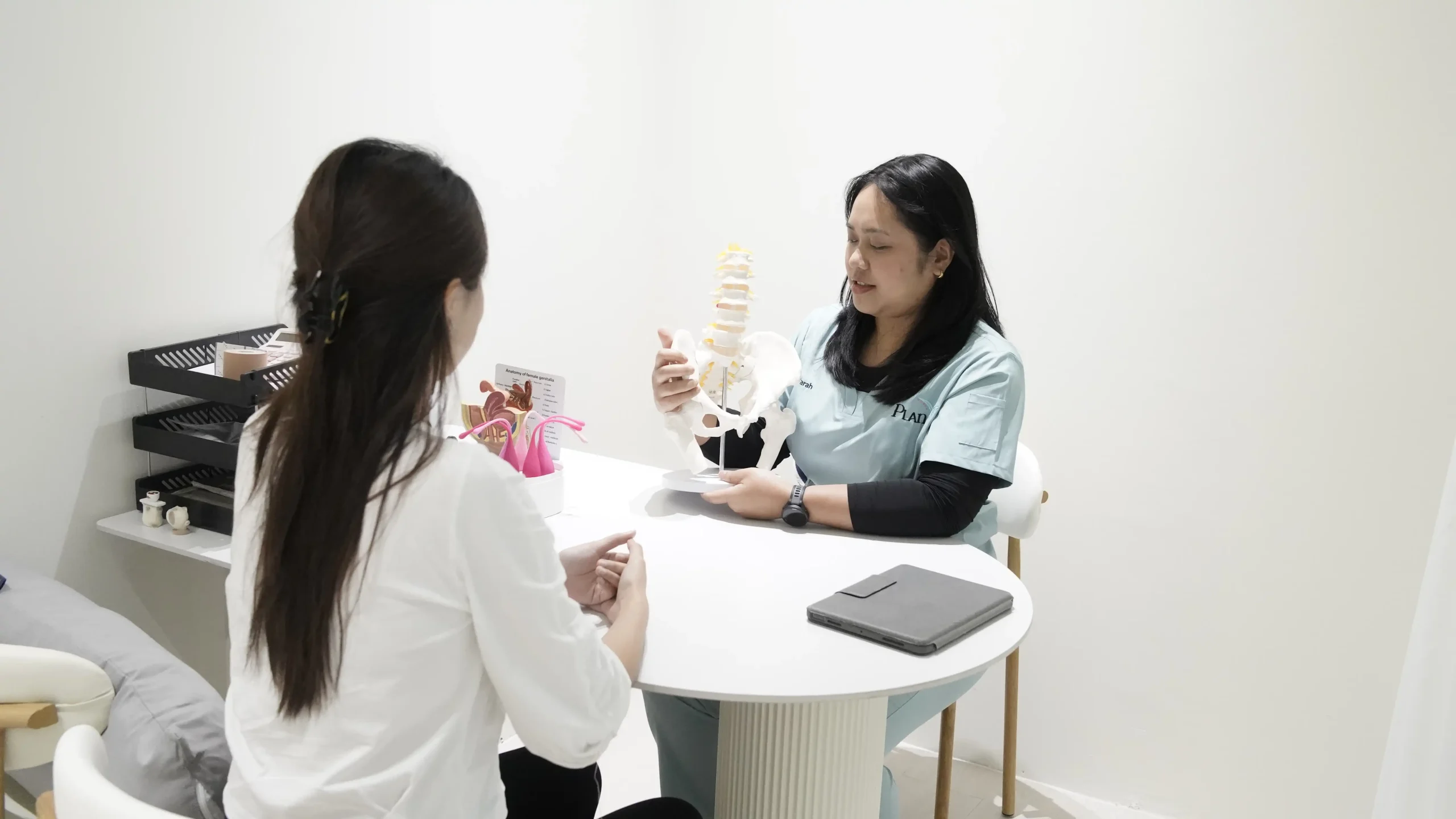
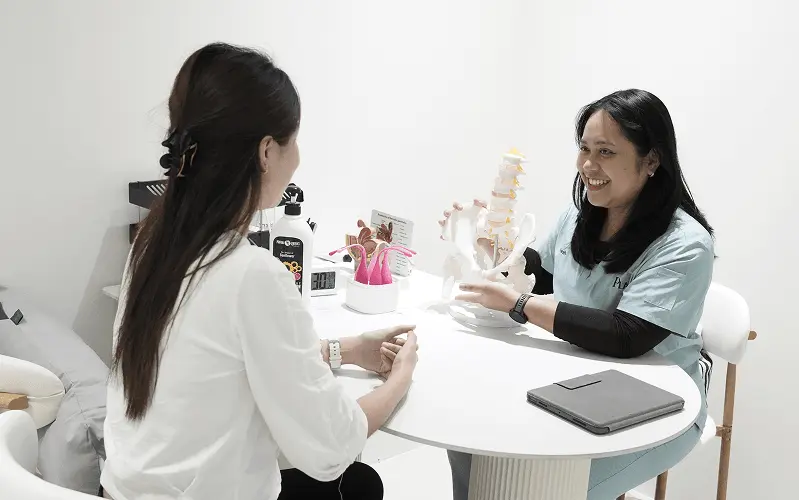
At Plan V, pelvic health physiotherapy can help you understand how your pelvic floor is functioning and whether muscle tension may be contributing to your symptoms.
The goal is not simply to strengthen the pelvic floor. Sometimes, the goal is to help it let go, relax and move normally again.
Your postpartum recovery is about more than recovering from pregnancy and childbirth. It is also about feeling comfortable and confident in your own body.
Fernández-Pérez P, Leirós-Rodríguez R, Marqués-Sánchez MP, Martínez-Fernández MC, de Carvalho FO, Maciel LYS. Effectiveness of physical therapy interventions in women with dyspareunia: a systematic review and meta-analysis. BMC Womens Health. 2023 Jul 24;23(1):387. doi: 10.1186/s12905-023-02532-8. PMID: 37482613; PMCID: PMC10364425.
Ghaderi F, Bastani P, Hajebrahimi S, Jafarabadi MA, Berghmans B. Pelvic floor rehabilitation in the treatment of women with dyspareunia: a randomized controlled clinical trial. Int Urogynecol J. 2019 Nov;30(11):1849-1855. doi: 10.1007/s00192-019-04019-3. Epub 2019 Jul 8. PMID: 31286158; PMCID: PMC6834927.
At Plan V, you can take that step directly. You don’t need a referral, and you don’t need to have it all figured out first, just a private, judgment-free conversation with an all-female team, whenever you’re ready.
Pain during sex is common after childbirth, but it is not something you have to live with. It often signals underlying issues like muscle tension, scar tissue, or dryness that can be safely treated.
Should I do Kegels if I experience painful sex postpartum?
Not necessarily. If your pain is caused by a tight or overactive (hypertonic) pelvic floor, doing traditional Kegels can worsen the tension. Focus on relaxation exercises like reverse Kegels instead.
What is a reverse Kegel and how does it help?
A reverse Kegel focuses on consciously releasing and lengthening the pelvic floor muscles combined with deep breathing, helping tight muscles drop tension and relax naturally.
How long after giving birth should I wait to seek physiotherapy for painful sex?
You can consult a pelvic health physiotherapist as soon as you are cleared for activity by your doctor (usually around 6 weeks postpartum), or whenever you experience persistent discomfort during intercourse.
Can pelvic health physiotherapy completely fix dyspareunia?
Targeted physiotherapy significantly reduces or eliminates muscle-related pain for many women by improving muscle flexibility, coordination, and tissue mobility.

 Pain during sexual intercourse, also known as dyspareunia, can have many possible causes.